Ostel-D Tablet, Alendronic Acid + Vitamin D3 70 mg+2800 IU
Inhouse product
-
 ৳11.40
৳12.00 -
৳42.75
৳45.00 -
৳16.63
৳17.50 -
৳2.14
৳2.25 -
৳9.50
৳10.00


Reviews & Ratings
Indications
Alendronic Acid &
Vitamin D3 is indicated in:
- Treatment of osteoporosis in
postmenopausal women.
- Treatment of osteoporosis in
men.
- Treatment of osteoporosis as it
increases the bone mass and reduces the incidence of fractures, including
those of the hip and spine.
* রেজিস্টার্ড চিকিৎসকের পরামর্শ মোতাবেক ঔষধ সেবন করুন'
Pharmacology
Alendronate Sodium is
a bisphosphonate that acts as a specific inhibitor of osteoclast mediated bone
resorption. Alendronate is effective when administered at least 30 minutes
before breakfast. It transiently distributes to soft tissues following
administration but is then rapidly distributed to bone or excreted in the
urine. Protein binding in human plasma is approximately 78%. There is no
evidence that Alendronate is metabolised in animals or humans. At the cellular
level, Alendronate shows preferential localization to sites of bone resorption,
specially under osteoclasts. It inhibits osteoclast activity. In addition, bone
formation exceeds bone resorption, leading to progressive gains in bone mass.
Vitamin D is required for normal bone formation. Vitamin D insufficiency
develops when both sunlight exposure and dietary intake are inadequate.
Insufficiency is associated with negative calcium balance, increased
parathyroid hormone levels, bone loss, and increased risk of skeletal fracture.
Dosage
Treatment of
Osteoporosis in Postmenopausal Women: The recommended dosage is-
- 70 mg alendronate and 2800 IU
vitamin D3 or
- 70 mg alendronate and 5600 IU
vitamin D3 tablet once weekly.
- For most osteoporotic women,
the appropriate dose is 70 mg alendronate and 5600 IU vitamin D3 once
weekly.
Treatment to Increase
Bone Mass in Men with Osteoporosis: The recommended dosage is-
- 70 mg alendronate and 2800 IU
vitamin D3 or
- 70 mg alendronate and 5600 IU
D3 tablet once weekly.
- For most osteoporotic men, the
appropriate dose is 70 mg alendronate and 5600 IU vitamin D3 once weekly.
* রেজিস্টার্ড চিকিৎসকের পরামর্শ মোতাবেক ঔষধ সেবন করুন'
Administration
To permit adequate
absorption, Alendronate & Colecalciferol must be taken at least 30 minutes
before the first food, beverage or medication of the day with plain water only.
Other beverages (including mineral water), food and some medications are likely
to reduce the absorption of Alendronate. To facilitate delivery to the stomach
and thus to reduce the potential for esophageal irritation, Alendronate &
Colecalciferol tablet should only be swallowed upon rising for the day with a
full glass of water. Patients should not lie down for at least 30 minutes after
taking Alendronate until after their first food of the day. Alendronate &
Colecalciferol should not be taken at bed time.
* রেজিস্টার্ড চিকিৎসকের পরামর্শ মোতাবেক ঔষধ সেবন করুন'
Interaction
Calcium supplement,
antacids and some oral medications will interfere with absorption of
Alendronate if taken at the same time. Intravenous ranitidine makes the
bioavailability of oral Alendronate double. Incidence of upper
gastro-intestinal adverse events associated with NSAID and aspirin appears to
be greater with concomitant administration of Alendronate. Mineral oils,
orlistat, and bile acid sequestrants (e.g., cholestyramine, colestipol) may
impair the absorption of vitamin D. Anticonvulsants, cimetidine, and thiazides
may increase the catabolism of vitamin D.
Contraindications
- Abnormalities of the esophagus
which delay esophageal emptying, such as stricture or achalasia.
- Inability to stand or sit
upright for at least 30 minutes.
- Hypersensitivity to any
component of this product.
- Hypocalcaemia.
Side Effects
Usually mild and
generally do not require discontinuation of therapy. Side effects include
esophageal reactions, abdominal pain and distension, diarrhoea or constipation,
flatulence, musculoskeletal pain, headache, rash, erythema and transient
decreases in serum calcium and phosphate.
Pregnancy & Lactation
Pregnancy category C.
Overdoses of vitamin D have shown teratogenic effects in pregnant animals.
Alendronic Acid & Vitamin D3 (Colecalciferol) should be used during
pregnancy only if the potential benefit justifies the potential risk to the
mother and fetus. Cholecalciferol and some of its active metabolites pass into
breast milk. It is not known whether alendronate is excreted in human milk.
Caution should be exercised when administered to lactating women.
Precautions & Warnings
Hypocalcaemia and
other disturbances of mineral metabolism should be corrected before initiation
of therapy. Alendronate can cause local irritation of the upper
gastro-intestinal mucosa. Caution should be used when Alendronate is given to
patients with active upper gastrointestinal problems such as dysphagia,
esophageal disease, gastritis, duodenitis or ulcers. Patients should stop
taking medicine and consult their physician if they develop esophageal
diseases.
Use in Special Populations
Dosing in elderly and
renal insufficiency: No dosage adjustment is necessary for the elderly or for
patients with mild-to-moderate renal insufficiency (creatinine clearance 35 to
60 mL/min). Alendronic Acid + Vitamin D3 (Colecalciferol) is not recommended
for patients with more severe renal insufficiency (creatinine clearance<35
mL/min) due to lack of experience.
Overdose Effects
Hypocalcemia,
hypophosphatemia, and upper gastrointestinal adverse events, such as upset
stomach, heartburn, esophagitis, gastritis, or ulcer, may result from oral
overdosage. Signs and symptoms of vitamin D toxicity include
hypercalcemia, hypercalciuria, anorexia, nausea, vomiting, polyuria,
polydipsia, weakness, and lethargy.
Therapeutic Class
Combined preparations:
Inhibiting bone resorption
Storage Conditions
Store in a cool and
dry place. Protect from light & moisture. Keep out of the reach of
children.
Frequently Bought Products

Amodis Tablet, Metronidazole 400 mg

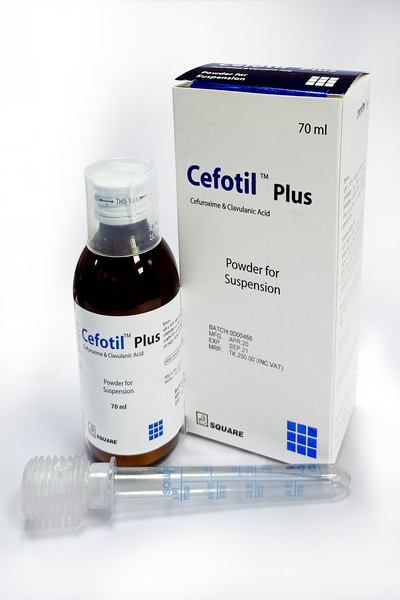
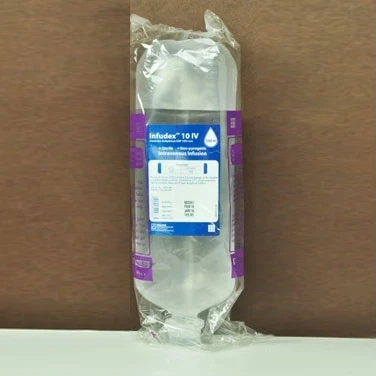
Infudex IV Infusion, Dextrose 10%

Cefotil IM/IV Injection, Cefuroxime Axetil 750 mg/vial
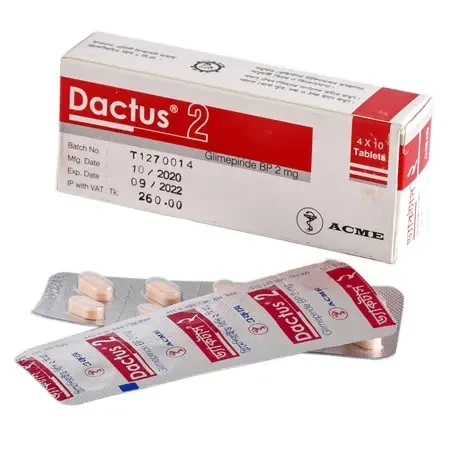
Dactus Tablet, Glimepiride 2 mg

Vomidyl Tablet, Ondansetron 8 mg
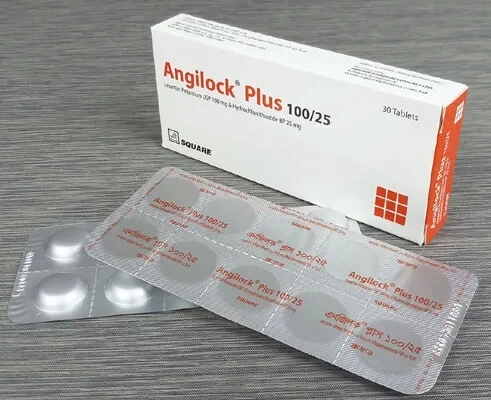

Bilan Kids Dispersible Tablet, Bilastine 10 mg

Product Queries (0)
Login Or Registerto submit your questions to seller
Other Questions
No none asked to seller yet
-
৳11.40
৳12.00 -
৳42.75
৳45.00 -
৳16.63
৳17.50 -
৳2.14
৳2.25 -
৳9.50
৳10.00