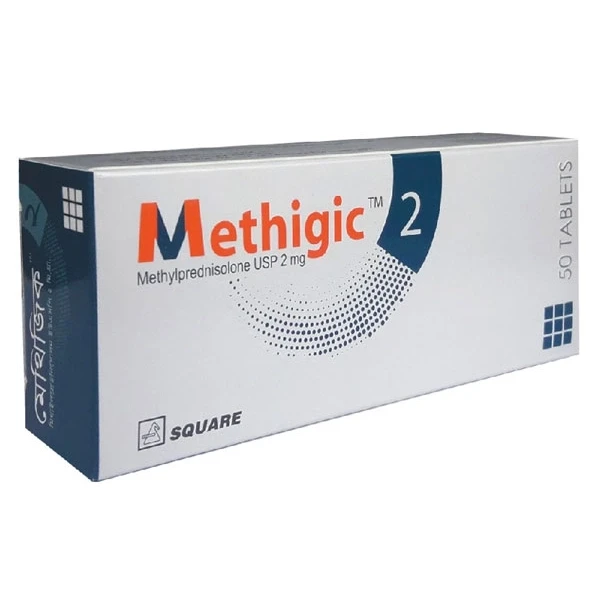
Methigic Tablet, Methylprednisolone 2 mg
Inhouse product
-
 ৳11.40
৳12.00 -
৳42.75
৳45.00 -
৳16.63
৳17.50 -
৳2.14
৳2.25 -
৳9.50
৳10.00


Reviews & Ratings
Indications
Endocrine Disorders: Primary or Secondary Adrenocortical
Insufficiency, Congenital Adrenal Hyperplasia, Nonsuppurative Thyroiditis,
Hypercalcemia associated with Cancer.
Rheumatic Disorders: Juvenile Rheumatoid Arthritis, Ankylosing
Spondylitis, Acute and Subacute Bursitis, Synovitis of Osteoarthritis, Acute
nonspecific Tenosynovitis, Post-traumatic Osteoarthritis, Psoriatic Arthritis,
Epicondylitis, Acute Gouty Arthritis.
Collagen Diseases: Systemic lupus Erythematosus, Systemic
Dermatomyositis and Acute Rheumatic Carditis.
Dermatologic Diseases: Bullous Dermatitis Herpetiformis, Severe
Erythema Multiforme (Stevens-Johnson syndrome), Severe Seborrheic Dermatitis,
Exfoliative Dermatitis, Mycosis Fungoides, Pemphigus, Severe Psoriasis.
Allergy: Seasonal or Perennial Allergic Rhinitis,
Drug hypersensitivity reactions, Serum Sickness, Contact Dermatitis, Bronchial
Asthma and Atopic Dermatitis;
Ophthalmic Diseases: Allergic Corneal Ulcers, Herpes Zoster
Ophthalmicus, Anterior segment inflammation, Sympathetic Ophthalmia, Keratitis,
Optic Neuritis, Allergic Conjunctivitis, Chorioretinitis, iritis end
iridocyclitis.
Respiratory Diseases: Symptomatic sarcoidosis, Loeffler's syndrome
not manageable by other means, berylliosis, Aspiration Pneumonitis.
Hematological
Disorders: Idiopathic
Thrombocytopenic Purpura in adults, Secondary Thrombocytopenia in adults,
Acquired (Autoimmune) Hemolytic Anemia, Erythroblastopenia, Congenital
(Erythroid) Hypoplastic Anemia.
Neoplastic Diseases: For palliative management of Leukemias and
Lymphomas in adults, Acute leukemia of childhood.
Edematous States: To induce a diuresis or remission of
Proteinuria in the Nephrotic Syndrome, without Uremia, of the idiopathic type
or that due to Lupus Erythematosus.
Gastrointestinal
Disease: To tide the patient
over a critical period of the disease in Ulcerative Colitis & Regional
Enteritis.
CNS Disease: Acute Exacerbations of Multiple Sclerosis.
* রেজিস্টার্ড চিকিৎসকের পরামর্শ মোতাবেক ঔষধ সেবন করুন'
Description
Methigic is a potent anti-inflammatory
steroid. It has greater anti-inflammatory potency than Prednisolone, even less
tendency than prednisolone to induce sodium and water retention. The relative
potency of Methigic to Hydrocortisone is at least four to one.
Pharmacology
Pharmacodynamic properties: Methylprednisolone Is a potent
anti-inflammatory agent with the capacity to profoundly inhibit the immune
system. Glucocorticoids primarily bind to and activate intracellular
glucocorticoid receptors that being activated bind to promoter regions of DMA
(which may activate or suppress transcription) and activate transcription
factors that result in inactivation of genes through deacetylation of histones.
Methylprednisolone influences the kidney and fluid & electrolyte balance,
lipid,
protein, and carbohydrate metabolism, skeletal muscle, the cardiovascular
system, the immune system, the nervous system, and the endocrine system.
Pharmacokinetic
properties: The absolute
bioavailability of Methylprednisclone is generally high (82% to 89%) following
oral administration and rapidly absorbed and the maximum plasma concentration
is achieved around 1.5 to 2.3 hours across doses following oral administration
in normal healthy adults. Methylprednisolone is widely distributed into the
tissues and its volume of distribution is 41-61.5 liter. It crosses the
Wood-brain barrier and the placental barrier and is secreted in breast milk.
The plasma protein binding of Methylprednisolone in humans is approximately
77%. Methylprednisolone is metabolized in the liver to inactive metabolites. No
dosing adjustments are necessary for renal failure. Methylprednisolone is
haemodializable.
Dosage & Administration
The usual range is 2-48
mg daily in divided doses, depending on the specific disease being
treated.
As anti-inflammatory
or immunosuppressive initial dosage: As anti-inflammatory or immunosuppressive, the initial dosage
of Methylprednisolone tablets may vary from 4-48 mg per day depending on the
specific disease entity being treated, in situations of less severity lower
doses will generally suffice while in selected patients higher initial doses
may be required. The initial dosage should be maintained or adjusted until a satisfactory
response is noted. If after a reasonable period of time there is a lack of
satisfactory dirtied response, Methylprednisolone should be discontinued and
the patient transferred to other appropriate therapy. It should be emphasized
that dosage requirements are variable and must be Individualized on the basis
of the disease under treatment and the response of the patient.
As anti-inflammatory
or immunosuppressive maintenance dosage: After a favorable response is noted, the proper maintenance
dosage should be determined by decreasing the initial drug dosage in small
decrements at appropriate time intervals until the lowest dosage which will
maintain an adequate clinical response is reached. It should be kept in mind
that constant monitoring is needed in regard to drug dosage. If after long-term
therapy the drug is to be stopped, it is recommended that it be withdrawn
gradually rather than abruptly.
Multiple Sclerosis: In the treatment of acute exacerbations of
multiple sclerosis, daily doses of 160 mg of Methylprednisolone for a week
followed by 64 mg every other day for 1 month have been shown to be effective.
Methylprednisolone 4 mg tablet can be used to treat and to control severe
allergy end dermatitis following the guideline listed below to minimize the
steroid withdrawal syndromes:
- Day 1:
2 tablets before breakfast + 1 tablet after lunch + 1 tablet after dinner
+ 2 tablets at bedtime
- Day 2:
1 tablet before breakfast + 1 tablet after lunch + 1 tablet after dinner +
2 tablets at bedtime
- Day 3:
1 tablet before breakfast + 1 tablet after lunch + 1 tablet after dinner +
1 tablet at bedtime
- Day 4:
1 tablet before breakfast + 1 tablet after lunch + 1 tablet at bedtime
- Day 5:
1 tablet before breakfast + 1 tablet at bedtime
- Day 6:
1 tablet before breakfast
Alternate-day therapy
(ADT): Alternate-day
therapy is a corticosteroid dosing regimen in which twice the usual daily dose
of corticoid is administered every other morning. The purpose of this mode of
therapy is to provide the patient requiring long-term pharmacologic dose
treatment with the beneficial effects of corticoids, white minimizing certain
undesirable effects, including pituitary-adrenal suppression, Cushingoid stats,
Corficoid withdrawal symptoms, and growth suppression in children.
The following should be kept in mind when considering alternate-day therapy:
- Basic principles and indications for corticosteroid
therapy should be applied.
- Alternate-day therapy is a therapeutic technique
primarily designed for pefienis in whom long-term pharmacologic corticoid
therapy is anticipated.
- In less severe disease processes in which corticoid
therapy is indicated, it may be possible to initiate treatment with
alternate-day therapy. More severe disease state usually will require
daily divided high dose therapy for initiai control of the disease
process. The initial suppressive dose level should be continued until a
satisfactory clinical response is obtained, usually four to ten days in
the case of many allergic and collagen diseases.
* রেজিস্টার্ড চিকিৎসকের পরামর্শ মোতাবেক ঔষধ সেবন করুন'
Interaction
Erythromycin, Clarithromycin, Phenobarbital,
Phenytoin, Rifampin and Ketoconazole inhibit the metabolism of Methigic.
Estrogens, including With control pills, can increase the effect of
corticosteroids by 50%. Cyclosporin reduces the metabolism of Methigic. while
Methigic reduces the metabolism of Cyclosporin. Methigic may increase or
decrease the effect of blood thinners (e.g. Warfarin). For all these
Interactions, the dose of Methigic may need to be lowered.
Contraindications
Systemic fungal infections arid known
hypersensitivity to components.
Side Effects
Short courses of Methigic are usually
well-tolerated with few, mild side effects. Long term, high doses of
Methyiprednisoione may produce predictable and potentially serious side
effects. Whenever possible, the lowest effective doses of Methigic should be
used for the shortest length of time to minimize side effects. Alternate day
dosing also can help reduce side effects. Side effects of Methigic and other
corticosteroids range from mild annoyances to serious irreversible bodily
damage. Side effects include fluid retention, weight gain, high blood pressure,
potassium loss, headache, muscle weakness, hair growth on the face, glaucoma,
cataracts, peptic ulceration, growth retardation in children, convulsions, and
psychic disturbances including depression, euphoria, insomnia etc. Prolonged
use of Methigic can depress the ability of the body's adrenal glands to produce
corticosteroids. Abruptly stopping Methigic in these individuals can cause
symptoms of corticosteroid insufficiency, with accompanying nausea, vomiting,
and even shock. Therefore, withdrawal of Methigic usually is accomplished by
gradually lowering the dose. Gradually tapering Methigic not only minimizes the
symptoms of corticosteroid insufficiency, it also reduces the risk of an abrupt
flare of the disease being treated.
Pregnancy & Lactation
Pregnancy category C. Dregs should be given
only if the potential benefit justifies the potential risk te the foetus.
Mefhyiprednisofone has not been adequately evaluated in nursing mothers.
Precautions & Warnings
Adrenocortical insufficiency may persist for
months after discontinuation of therapy; therefore, in any situation of stress
occurring during that period, hormone therapy should be reinstituted. Since
mineralocorticoid secretion may be impaired, salt and/or a mineralocorticoid
should be administered concurrently. There is an enhanced effect of
corticosteroids on patients with hypothyroidism and in those with cirrhosis.
Corticosteroids should be used cautiously in patients with ocular herpes
simplex because of possible corneal perforation. Aspirin should be used
cautiously in conjunction with corticosteroids in hypoprothrombinemia. The
growth and development of infants and children on prolonged corticosteroid
therapy should be carefully observed.
Overdose Effects
Report of acute toxicity and/or death
following an overdose of glucocorticoid ere rare. No specific antidote is
available; treatment is supportive and symptomatic. Serum electrolytes should
be monitored.
Therapeutic Class
Glucocorticoids
Storage Conditions
Store in a cool and dry place, away from
light. Keep out of reach of children.
Frequently Bought Products

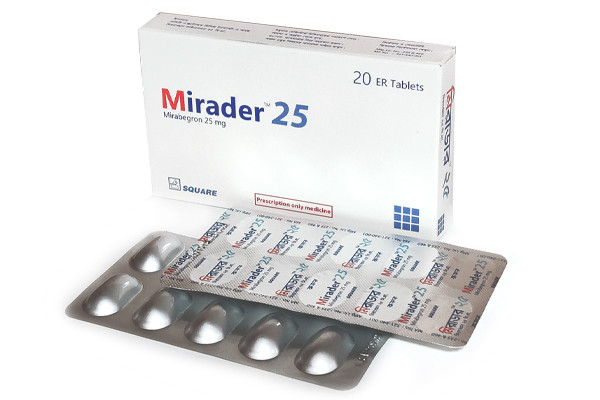
Mirader Tablet (Extended Release) Mirabegron 25 mg
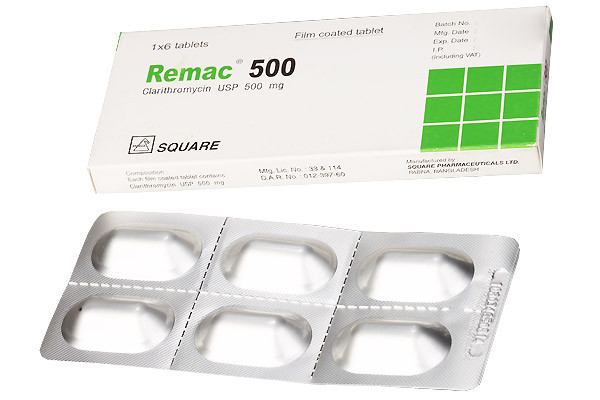
Remac Tablet, Clarithromycin 500 mg
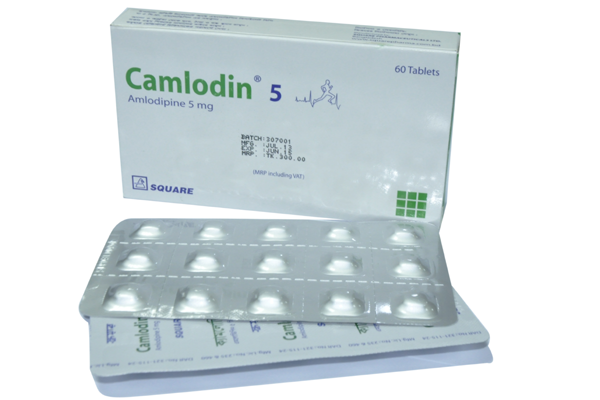
Camlodin Tablet, Amlodipine Besilate 5 mg
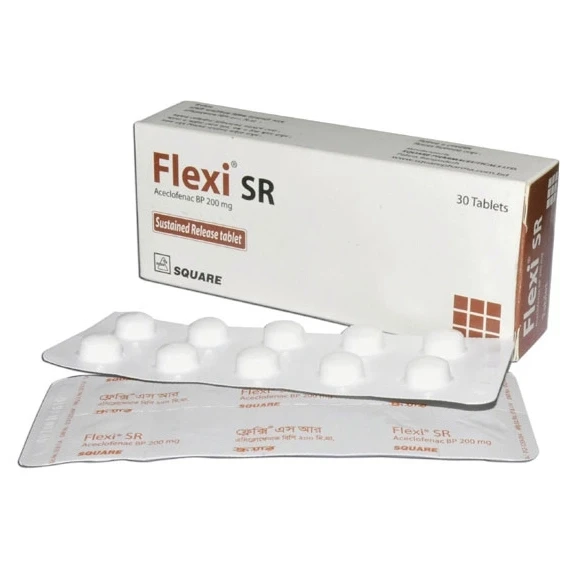
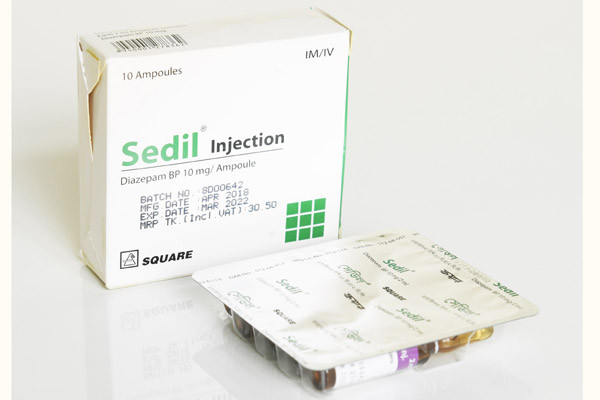
Sedil IM/IV Injection, Diazepam 10 mg/2 ml

Clotinex SC Injection , Enoxaparin Sodium 6000 Anti-Xa IU/0.6 ml


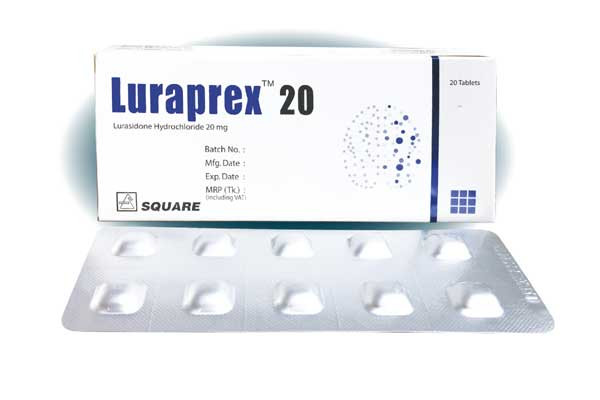
Luraprex Tablet, Lurasidone Hydrochloride 20 mg
Product Queries (0)
Login Or Registerto submit your questions to seller
Other Questions
No none asked to seller yet
-
৳11.40
৳12.00 -
৳42.75
৳45.00 -
৳16.63
৳17.50 -
৳2.14
৳2.25 -
৳9.50
৳10.00