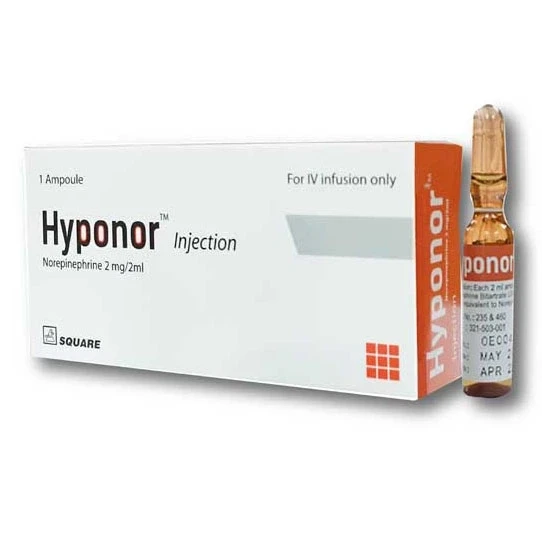
Hyponor IV Infusion 2ml, Norepinephrine Tartrate 2 mg/2 ml
Inhouse product
-
 ৳11.40
৳12.00 -
৳42.75
৳45.00 -
৳16.63
৳17.50 -
৳2.14
৳2.25 -
৳9.50
৳10.00


Reviews & Ratings
Indications
For
blood pressure control in certain acute hypotensive states (e.g.,
pheochromocytomectomy, sympathectomy, poliomyelitis, spinal anesthesia,
myocardial infarction, septicemia, blood transfusion, and drug reactions). As
an adjunct in the treatment of cardiac arrest and profound hypotension.
* রেজিস্টার্ড চিকিৎসকের পরামর্শ মোতাবেক ঔষধ সেবন করুন'
Pharmacology
Norepinephrine
is a direct-acting sympathomimetic which stimulates β1- and α-adrenergic
receptors. Its α-agonist effects cause vasoconstriction, thereby raising
systolic and diastolic BP with reflex slowing of heart rate.
Dosage
& Administration
An
infusion of Norepinephrine should be given into a large vein. Restoration of
Blood Pressure in Acute Hypotensive States. Blood volume depletion should
always be corrected as fully as possible before any vasopressor is
administered. When, as an emergency measure, intraaortic pressures must be
maintained to prevent cerebral or coronary artery ischemia, Norepinephrine can
be administered before and concurrently with blood volume replacement.
Diluent: Norepinephrine
should be diluted in 5 percent dextrose injection or 5 percent dextrose and
sodium chloride injections. These dextrose containing fluids are protection
against significant loss of potency due to oxidation. Administration in saline
solution alone is not recommended. Whole blood or plasma, if indicated to
increase blood volume, should be administered separately (for example, by use
of a Y-tube and individual containers if given simultaneously).
Average Dosage: Add the content of
the ampoule (4 mg/4 ml) of Norepinephrine to 1,000 mL of a 5 percent dextrose
containing solution. Each ml of this dilution contains 4 mcg of the base of
Norepinephrine. Give this solution by intravenous infusion. Insert a plastic
intravenous catheter through a suitable bore needle well advanced centrally
into the vein and securely fixed with adhesive tape, avoiding, if possible, a
catheter tie-in technique as this promotes stasis. An IV drip chamber or other
suitable metering device is essential to permit an accurate estimation of the
rate of flow in drops per minute. After observing the response to an initial
dose of 2 ml to 3 ml (from 8 mcg to 12 mcg of base) per minute, adjust the rate
of flow to establish and maintain a low normal blood pressure (usually 80 mm Hg
to 100 mm Hg systolic) sufficient to maintain the circulation to vital organs.
In previously hypertensive patients, it is recommended that the blood pressure
should be raised no higher than 40 mm Hg below the preexisting systolic
pressure. The average maintenance dose ranges from 0.5 ml to 1 ml per minute
(from 2 mcg to 4 mcg of base).
High Dosage: In all cases, dosage
of Norepinephrine should be titrated according to the response of the patient.
Occasionally much larger or even enormous daily doses (as high as 68 mg base or
17 ampoules) may be necessary if the patient remains hypotensive, but occult
blood volume depletion should always be suspected and corrected when present.
Central venous pressure monitoring is usually helpful in detecting and treating
this situation.
Fluid Intake: The degree of
dilution depends on clinical fluid volume requirements. If large volumes of
fluid (dextrose) are needed at a flow rate that would involve an excessive dose
of the pressor agent per unit of time, a solution more dilute than 4 mcg per ml
should be used. On the other hand, when large volumes of fluid are clinically
undesirable, a concentration greater than 4 mcg per ml may be necessary.
Duration of Therapy: The infusion should
be continued until adequate blood pressure and tissue perfusion are maintained
without therapy. Infusions of Norepinephrine should be reduced gradually,
avoiding abrupt withdrawal. In some of the reported cases of vascular collapse
due to acute myocardial infarction, treatment was required for up to six days.
Adjunctive Treatment
in Cardiac Arrest: Infusions of Norepinephrine are usually administered
intravenously during cardiac resuscitation to restore and maintain an adequate
blood pressure after an effective heartbeat and ventilation have been
established by other means. Norepinephrine powerful beta-adrenergic stimulating
action is also thought to increase the strength and effectiveness of systolic
contractions once they occur.
Average Dosage: To maintain systemic
blood pressure during the management of cardiac arrest, Norepinephrine is used
in the same manner as described under Restoration of Blood Pressure in Acute
Hypotensive States. Do not use the solution if its color is pinkish or darker
than slightly yellow or if it contains a precipitate. Avoid contact with iron
salts, alkalis, or oxidizing agents.
* রেজিস্টার্ড চিকিৎসকের পরামর্শ মোতাবেক ঔষধ সেবন করুন'
Interaction
Cyclopropane
and halothane anesthetics increase cardiac autonomic irritability and therefore
seem to sensitize the myocardium to the action of intravenously administered
epinephrine or norepinephrine. Hence, the use of Hyponor during cyclopropane
and halothane anesthesia is generally considered contraindicated because of the
risk of producing ventricular tachycardia or fibrillation. The same type of
cardiac arrhythmias may result from the use of Hyponor in patients with
profound hypoxia or hypercarbia. Hyponor should be used with extreme caution in
patients receiving monoamine oxidase inhibitors (MAOI) or antidepressants of
the triptyline or imipramine types, because severe, prolonged hypertension may
result.
Contraindications
Norepinephrine
should not be given to patients who are hypotensive from blood volume deficits
except as an emergency measure to maintain coronary and cerebral artery
perfusion until blood volume replacement therapy can be completed. If
Norepinephrine is continuously administered to maintain blood pressure in the
absence of blood volume replacement, the following may occur: severe peripheral
and visceral vasoconstriction, decreased renal perfusion and urine output, poor
systemic blood flow despite “normal” blood pressure, tissue hypoxia, and
lactate acidosis. Norepinephrine should also not be given to patients with
mesenteric or peripheral vascular thrombosis (because of the risk of increasing
ischemia and extending the area of infarction) unless, in the opinion of the
attending physician, the administration of Norepinephrine is necessary as a
life-saving procedure. Cyclopropane and halothane anesthetics increase cardiac
autonomic irritability and therefore seem to sensitize the myocardium to the
action of intravenously administered epinephrine or norepinephrine. Hence, the
use of Norepinephrine during cyclopropane and halothane anesthesia is generally
considered contraindicated because of the risk of producing ventricular
tachycardia or fibrillation. The same type of cardiac arrhythmias may result
from the use of Norepinephrine in patients with profound hypoxia or
hypercarbia.
Side
Effects
Body as a whole: Ischemic injury due to potent vasoconstrictor action and
tissue hypoxia.
Cardiovascular System: Bradycardia,
probably as a reflex result of a rise in blood pressure, arrhythmias.
Nervous System: Anxiety, transient
headache.
Respiratory System: Respiratory
difficulty.
Skin and Appendages: Extravasation
necrosis at injection site. Prolonged administration of any potent vasopressor
may result in plasma volume depletion which should be continuously corrected by
appropriate fluid and electrolyte replacement therapy. If plasma volumes are
not corrected, hypotension may recur when Hyponor is discontinued, or blood
pressure may be maintained at the risk of severe peripheral and visceral
vasoconstriction (e.g., decreased renal perfusion) with diminution in blood
flow and tissue perfusion with subsequent tissue hypoxia and lactic acidosis
and possible ischemic injury. Gangrene of extremities has been rarely reported.
Overdoses or conventional doses in hypersensitive persons (e.g., hyperthyroid
patients) cause severe hypertension with violent headache, photophobia,
stabbing retrosternal pain, pallor, intense sweating, and vomiting.
Pregnancy
& Lactation
Pregnancy
Category C. Animal reproduction studies have not been conducted with
Norepinephrine. It is also not known whether Norepinephrine can cause fetal
harm when administered to a pregnant woman or can affect reproduction capacity.
Norepinephrine should be given to a pregnant woman only if clearly needed. It
is not known whether this drug is excreted in human milk. Because many drugs
are excreted in human milk, caution should be exercised when Norepinephrine is
administered to a nursing woman.
Precautions
& Warnings
Avoid Hypertension: Because of the potency of Hyponor and because of varying
response to pressor substances, the possibility always exists that dangerously
high blood pressure may be produced with overdoses of this pressor agent. It is
desirable, therefore, to record the blood pressure every two minutes from the
time administration is started until the desired blood pressure is obtained,
then every five minutes if administration is to be continued. The rate of flow
must be watched constantly, and the patient should never be left unattended
while receiving Hyponor. Headache may be a symptom of hypertension due to
overdosage.
Site of Infusion: Whenever possible,
infusions of Hyponor should be given into a large vein, particularly an
antecubital vein because, when administered into this vein, the risk of
necrosis of the overlying skin from prolonged vasoconstriction is apparently
very slight. Some authors have indicated that the femoral vein is also an
acceptable route of administration. A catheter tie-in technique should be
avoided, if possible, since the obstruction to blood flow around the tubing may
cause stasis and increased local concentration of the drug. Occlusive vascular
diseases (for example, atherosclerosis, arteriosclerosis, diabetic
endarteritis, Buerger’s disease) are more likely to occur in the lower than in
the upper extremity. Therefore, one should avoid the veins of the leg in
elderly patients or in those suffering from such disorders. Gangrene has been
reported in a lower extremity when infusions of Hyponor were given in an ankle
vein.
Extravasation: The infusion site
should be checked frequently for free flow. Care should be taken to avoid
extravasation of Hyponor into the tissues, as local necrosis might ensue due to
the vasoconstrictive action of the drug. Blanching along the course of the
infused vein, sometimes without obvious extravasation, has been attributed to
vasa vasorum constriction with increased permeability of the vein wall,
permitting some leakage. This also may progress on rare occasions to
superficial slough, particularly during infusion into leg veins in elderly
patients or in those suffering from obliterative vascular disease. Hence, if
blanching occurs, consideration should be given to the advisability of changing
the infusion site at intervals to allow the effects of local vasoconstriction
to subside.
Antidote for
Extravasation Ischemia: To prevent sloughing and necrosis in areas in which
extravasation has taken place, the area should be infiltrated as soon as
possible with 10 mL to 15 mL of saline solution containing from 5 mg to 10 mg
of phentolamine, an adrenergic blocking agent. A syringe with a fine hypodermic
needle should be used, with the solution being infiltrated liberally throughout
the area, which is easily identified by its cold, hard, and pallid appearance.
Sympathetic blockade with phentolamine causes immediate and conspicuous local
hyperemic changes if the area is infiltrated within 12 hours. Therefore,
phentolamine should be given as soon as possible after the extravasation is
noted.
Use
in Special Populations
Use in Children & Adolescents: Safety and
effectiveness in pediatric patients has not been established.
Geriatric Use: Clinical studies of
Hyponor did not include sufficient numbers of subjects aged 65 and over to
determine whether they respond differently from younger subjects. Other
reported clinical experience has not identified differences in responses
between the elderly and younger patients. In general, dose selection for an
elderly patient should be cautious, usually starting at the low end of the
dosing range, reflecting the greater frequency of decreased hepatic, renal, or
cardiac function, and of concomitant disease or other drug therapy.
Hyponor infusions should not be administered into the veins in the leg in
elderly patients.
Carcinogenesis,
Mutagenesis, Impairment of Fertility: Studies have not been performed.
Overdose
Effects
Overdosage
with Hyponor may result in headache, severe hypertension, reflex bradycardia,
marked increase in peripheral resistance, and decreased cardiac output. In case
of accidental overdosage, as evidenced by excessive blood pressure elevation,
discontinue Hyponor until the condition of the patient stabilizes.
Therapeutic
Class
Alpha
and Beta-adrenergic agonist
Reconstitution
Intravenous:
Dilute with 5% glucose inj, with or without sodium chloride; dilution with
sodium chloride inj alone is not recommended.
Storage
Conditions
Store
at a temperature not exceeding 30°C in a dry place. Protect from light.
Frequently Bought Products
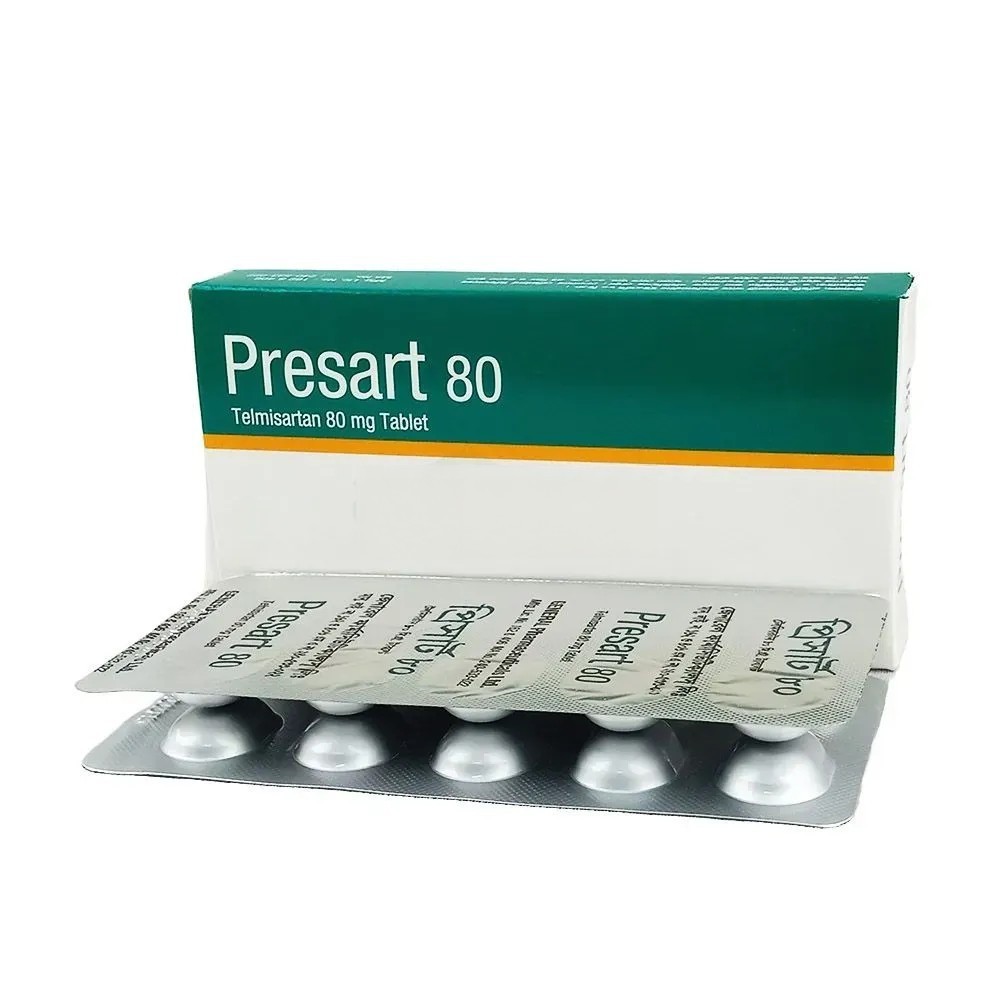
Presart Tablet, Telmisartan 80 mg

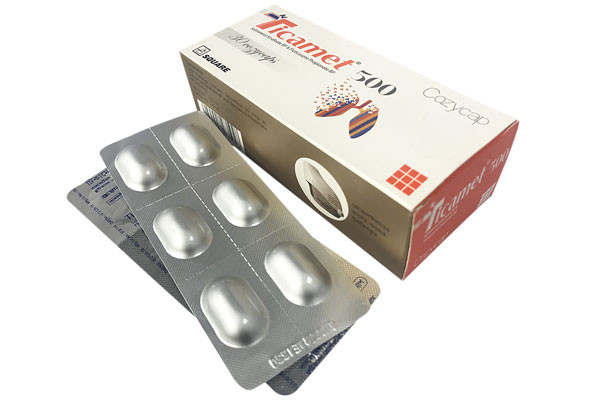

Alatrol Syrup ,Cetirizine Hydrochloride 5 mg/5 ml, 60 ML
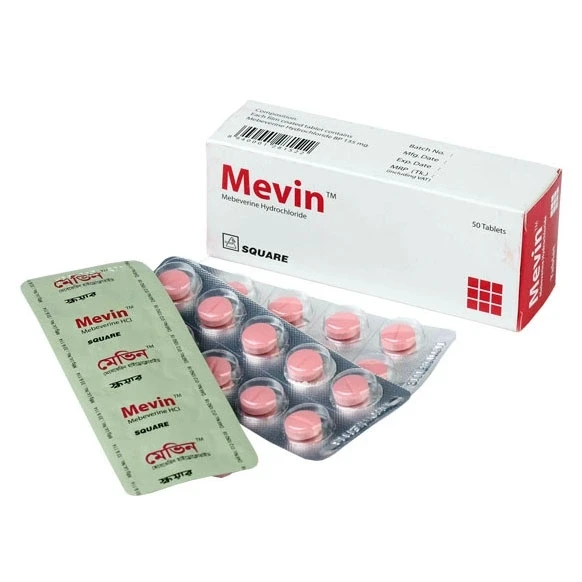
Mevin Tablet, Mebeverine Hydrochloride 135 mg
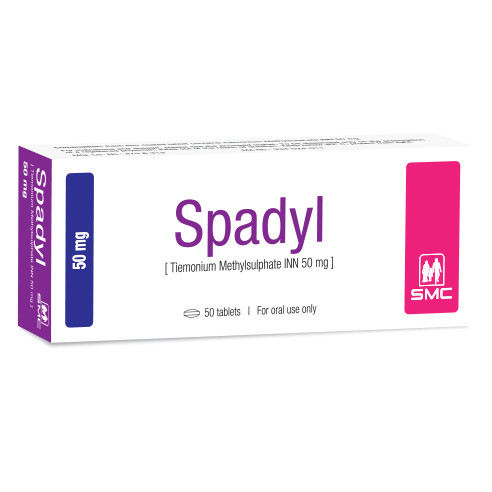
Spadyl Tablet, Tiemonium Methylsulfate 50 mg

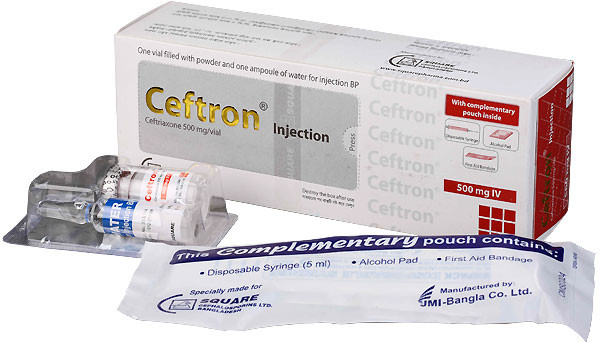
Ceftron IV Injection, Ceftriaxone Sodium 500 mg/vial

Product Queries (0)
Login Or Registerto submit your questions to seller
Other Questions
No none asked to seller yet
-
৳11.40
৳12.00 -
৳42.75
৳45.00 -
৳16.63
৳17.50 -
৳2.14
৳2.25 -
৳9.50
৳10.00