Crisa Ointment 10 gm tube, Crisaborole 2% w/w
Inhouse product
-
 ৳11.40
৳12.00 -
৳42.75
৳45.00 -
৳16.63
৳17.50 -
৳2.14
৳2.25 -
৳9.50
৳10.00


Reviews & Ratings
Indications
Crisa is indicated for
topical treatment of mild to moderate atopic dermatitis in pediatric patients 3
months of age and older.
* রেজিস্টার্ড চিকিৎসকের পরামর্শ মোতাবেক ঔষধ সেবন করুন'
Pharmacology
The active ingredient,
Crisaborole, is a phosphodiesterase-4 (PDE-4) inhibitor, mainly acting on
phosphodiesterase 4B (PDE4B), which causes inflammation. Chemically,
Crisaborole is a phenoxybenzoxaborole. It contains a boron atom that helps
penetrate the skin and is essential for its binding activity. Inhibition of
PDE4B appears to suppress the release of tumor necrosis factor alpha (TNFα),
interleukin-12 (IL-12), IL-23 and other cytokines, proteins believed to be
involved in the immune response and inflammation.
Dosage & Administration
Apply a thin layer of
Crisaborole twice daily to affected areas. Crisaborole is for topical use only
and not for ophthalmic, oral, or intravaginal use.
* রেজিস্টার্ড চিকিৎসকের পরামর্শ মোতাবেক ঔষধ সেবন করুন'
Interaction
In vitro studies using
human liver microsomes indicated that under the conditions of clinical use,
Crisa and metabolite 1 are not expected to inhibit cytochrome P450 (CYP) 1A2,
2B6, 2C8, 2C9, 2C19, 2D6, and 3A4. In vitro human liver microsomes studies for
metabolite 2 showed that it did not inhibit activities of CYP2C19, 2D6, and
3A4.
Side Effects
Allergic reactions-
Crisa may cause allergic reactions at or near the application site. These can
be serious and may include hives, itching, swelling, and redness. The most
common side effect of Crisa is application site pain, such as burning or
stinging.
Pregnancy & Lactation
Pregnancy: There is no available data with Crisaborole
in pregnant women to inform the drug-associated risk for major birth defects
and miscarriage. In animal reproduction studies, there were no adverse
developmental effects observed with oral administration of crisaborole in
pregnant rats and rabbits during organogenesis at doses up to 3 and 2 times,
respectively, the maximum recommended human dose (MRHD).
Lactation: There is no information available on the
presence of crisaborole in human milk. Crisaborole is systemically absorbed.
The lack of clinical data during lactation precludes a clear determination of
the risk of crisaborole to a breastfed infant.
Precautions & Warnings
Hypersensitivity
reactions, including contact urticaria have occurred in patients treated with
Crisa. If signs and symptoms of hypersensitivity occur, discontinue
Crisa immediately and initiate appropriate therapy.
Therapeutic Class
Topical
anti-inflammatory preparations
Storage Conditions
Do not store above 30°C
temperature. Keep away from light and out of the reach of children.
Frequently Bought Products
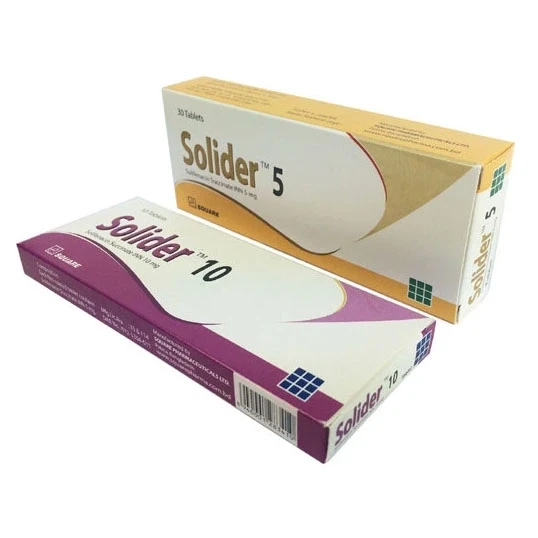
Solider Tablet, Solifenacin Succinate 10 mg
![Ferti-Q Capsule, Coenzyme Q10 [Ubidecarenone] 100 mg](https://www.old.skpharma.com.bd/public/uploads/all/ed9oV81rPgwDkTBIwnECaefcM8MB59XF72hkTPgW.png)
Ferti-Q Capsule, Coenzyme Q10 [Ubidecarenone] 100 mg

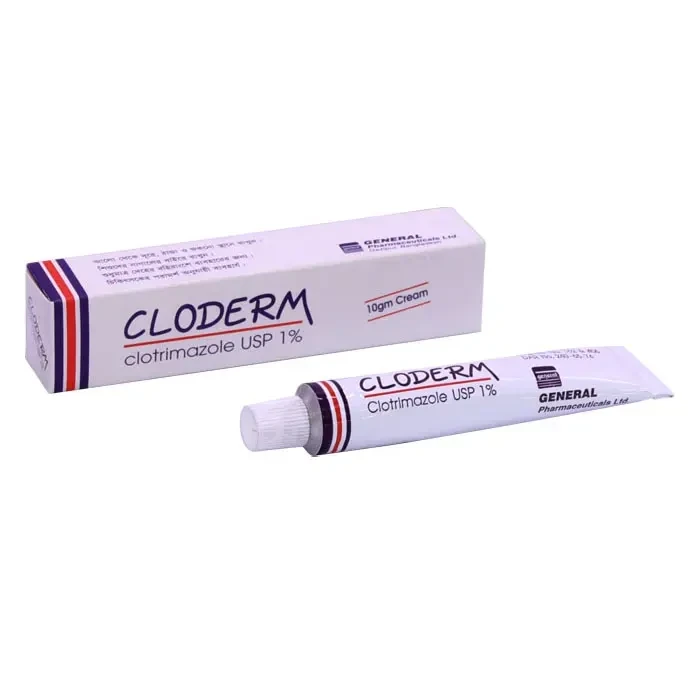
Cloderm Cream 10 gm tube, Clotrimazole 1%
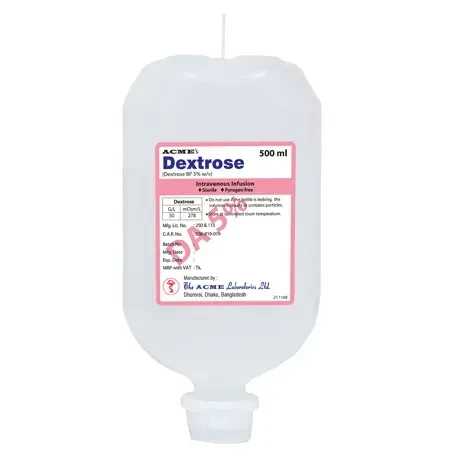
Acme's Dextrose IV Infusion 500 ml bag, Dextrose 5%
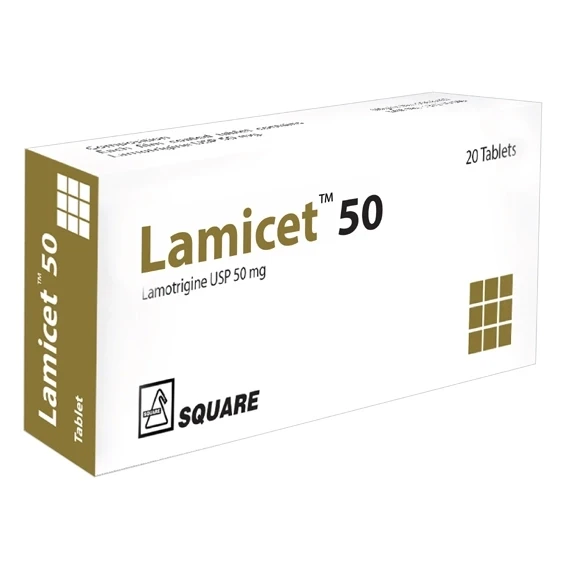
Lamicet Tablet, Lamotrigine 50 mg

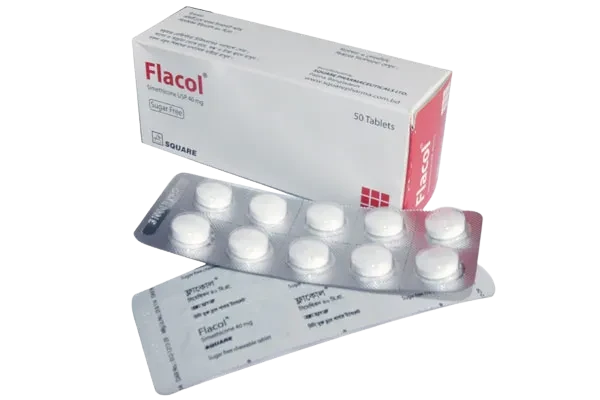
Flacol Chewable Tablet, Simethicone 40 mg

Alarid Syrup , Ketotifen Fumarate 1 mg/5 ml, 100 ML

Riscord Tablet, Risperidone 1 mg
Product Queries (0)
Login Or Registerto submit your questions to seller
Other Questions
No none asked to seller yet
-
৳11.40
৳12.00 -
৳42.75
৳45.00 -
৳16.63
৳17.50 -
৳2.14
৳2.25 -
৳9.50
৳10.00