A-Fenac K Tablet, Diclofenac Potassium 50 mg ACME La
Inhouse product
-
 ৳11.40
৳12.00 -
৳42.75
৳45.00 -
৳16.63
৳17.50 -
৳2.14
৳2.25 -
৳9.50
৳10.00


Reviews & Ratings
Indications
Short-term treatment
in the following acute conditions:
- Post-traumatic pain,
inflammation and swelling, e.g. due to sprains.
- Post-operative pain,
inflammation and swelling, e.g. following dental or orthopaedic surgery.
- Painful and/or inflammatory
conditions in gynaecology, e.g. primary dysmenorrhoea or adnexitis.
- Migraine attacks.
- Painful syndromes of the
vertebral column
- Non-articular rheumatism.
- As an adjuvant in severe
painful inflammatory infections of the ear, nose, or throat, e.g.
pharyngotonsillitis, otitis.
* রেজিস্টার্ড চিকিৎসকের পরামর্শ মোতাবেক ঔষধ সেবন করুন'
Pharmacology
The mechanism of
action of Diclofenac Potassium, like that of other NSAIDs, is not completely
understood but involves inhibition of cyclooxygenase (COX-1 and COX-2).
Diclofenac is a potent inhibitor of prostaglandin synthesis in vitro.
Diclofenac concentrations reached during therapy have produced in vivo effects.
Prostaglandins sensitize afferent nerves and potentiate the action of
bradykinin in inducing pain in animal models. Prostaglandins are mediators of
inflammation. Because diclofenac is an inhibitor of prostaglandin synthesis,
its mode of action may be due to a decrease of prostaglandins in peripheral
tissues.
Dosage &
Administration
Adults: Following an initial loading dose of 50 mg,
25-50 mg is to be taken every eight hours if necessary.
Migraine: An initial loading dose of 50 mg, then if
necessary a further 25-50 mg after 2 hours. The maximum daily dose is 150 mg.
The tablets should be swallowed whole with liquid, preferably before meals.
Children: Children over 14 years of age: upto 75 mg
daily in divided doses.
* রেজিস্টার্ড চিকিৎসকের পরামর্শ মোতাবেক ঔষধ সেবন করুন'
Interaction
A-Fenac K may have the
following drug interactions:
- Lithium and Digoxin: A-Fenac K
may increase plasma concentrations of Lithium and Digoxin.
- Anticoagulant:There are
isolated reports of and increased risk of haemorrhage with the combined
use of A-Fenac K and anticoagulant therapy.
- Cyclosporin: Cases of
nephrotoxicity have been reported in patients receiving Cyclosporin and
A-Fenac K concomitantly.
- Methotrexate: Cases of serious
toxicity have been reported when Methotrexate and NSAIDs are given within
24 hours of each other.
- Diuretics: Like other NSAIDs,
A-Fenac K may inhibit the activity of diuretics.
- Other NSAIDs and steroids;
Co-administration of A-Fenac K with other systemic NSAIDs and steroids may
increase the frequency of unwanted effects.
Contraindications
Diclofenac Potassium
tablets are contraindicated in patients with known hypersensitivity to
Diclofenac. Diclofenac should not be given to patients who have experienced
asthma, urticaria, or allergic type reactions after taking aspirin or other
NSAIDs. Severe, rarely fatal, anaphylactic-like reactions to NSAIDs have been
reported in such patients. Diclofenac is contraindicated for the treatment of
perioperative pain in the setting of coronary artery bypass graft (CABG)
surgery.
Side Effects
Side-effects of A-Fenac
K are usually mild and transient. However, if serious side-effects occur.
A-Fenac K should be discontinued. Occasional: epigastric pain, other
gastro-intestinal disorders (e.g., nausea, vomiting, diarrhoea, abdominal
cramps, dyspepsia,flatulence,anorexia). Rare: gastro-intestinal bleeding,
peptic ulcer (with or without bleeding or perforation), bloody diarrhoea.
Pregnancy &
Lactation
Diclofenac should not
be prescribed during pregnancy, unless there are compelling reasons for doing
so. The lowest effective dosage should be used. This type of drugs are not
recommended during the last trimester of pregnancy. Very small quantities of
diclofenac may be detected in breast milk, but no undesirable effects on the
infant are to be expected.
Therapeutic Class
Drugs for
Osteoarthritis, Drugs used for Rheumatoid Arthritis, Non-steroidal
Anti-inflammatory Drugs (NSAIDs)
Storage Conditions
Keep below 30°C
temperature, away from light & moisture. Keep out of the reach of children.
Frequently Bought Products

Tolcalm Tablet, Tolperisone Hydrochloride 50 mg


Nebita Tablet, Nebivolol Hydrochloride 5 mg
![Ceevit Forte Effervescent Tablet, Vitamin C [Ascorbic acid] 1000 mg](https://www.old.skpharma.com.bd/public/uploads/all/d5C7usDN7GfrQ65DVDTYtBhl00tRpdqhQnym2EA1.jpg)
![ResQ Capsule, Coenzyme Q10 [Ubidecarenone] 50 mg](https://www.old.skpharma.com.bd/public/uploads/all/4JQ8r3DVxz33i5vY5yqosq2TIc1NK5Ovk2Nxxe26.jpg)
ResQ Capsule, Coenzyme Q10 [Ubidecarenone] 50 mg

Kop SR Capsule (Sustained Release), Ketoprofen 100 mg

Susten Tablet Dapoxetine Hydrochloride 60 mg

![SMC Fruity (Orange) Oral Powder, Oral rehydration salt [flavore & glucose based] 13.47 gm/sachet](https://www.old.skpharma.com.bd/public/uploads/all/Uy4mR9QBZ7eOJquqEAcihUUprC4wZ0DZvHGFNlYh.webp)
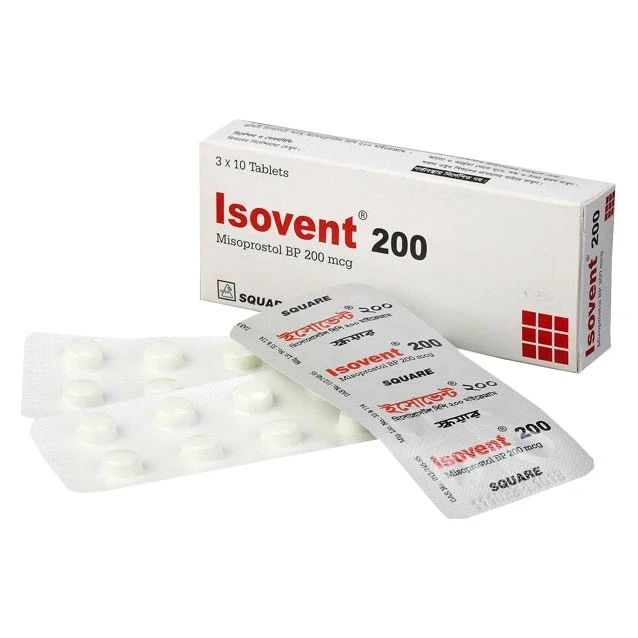
Isovent Tablet,Misoprostol 200 mcg
Product Queries (0)
Login Or Registerto submit your questions to seller
Other Questions
No none asked to seller yet
-
৳11.40
৳12.00 -
৳42.75
৳45.00 -
৳16.63
৳17.50 -
৳2.14
৳2.25 -
৳9.50
৳10.00